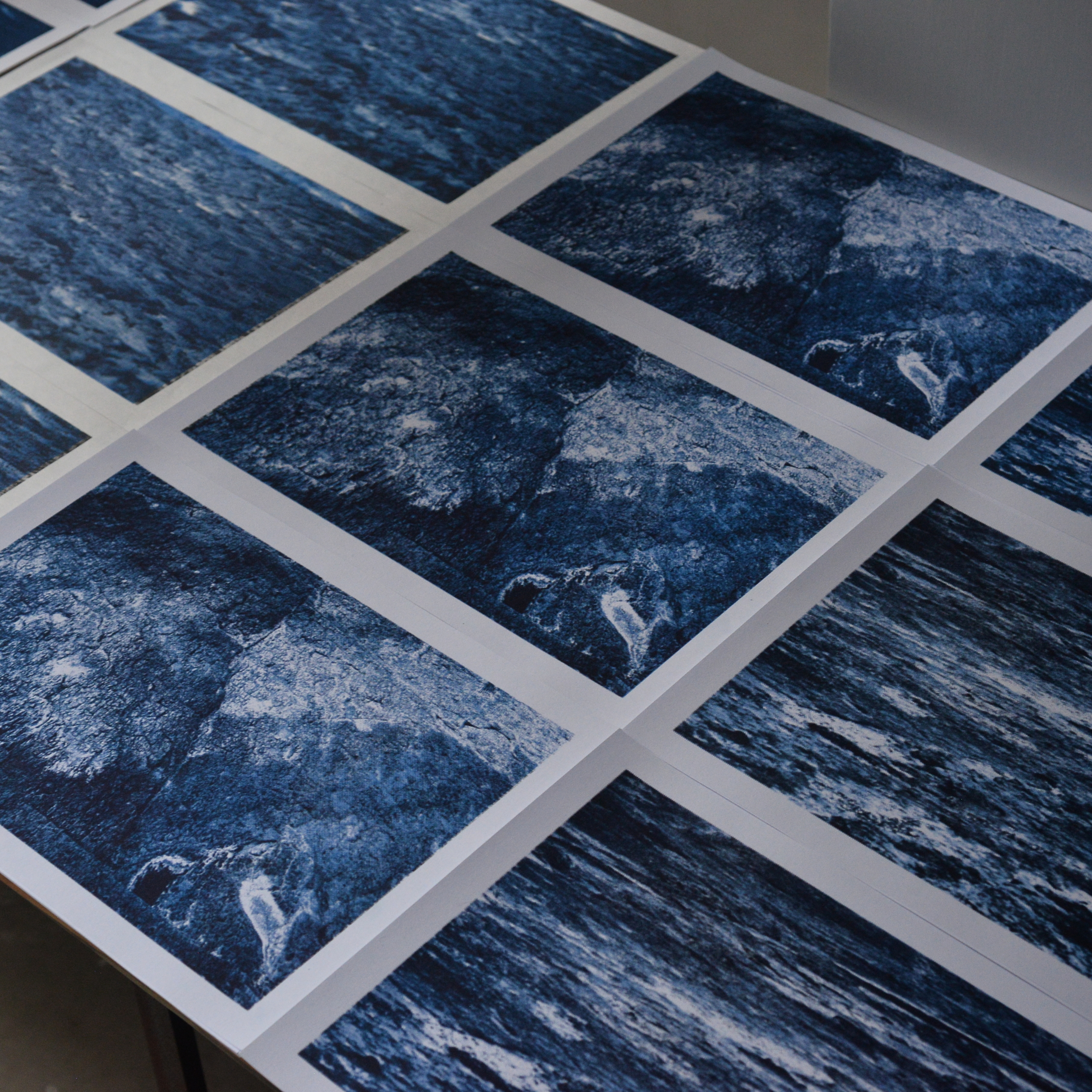
drift-print|台湾の堆積岩から海を現像する
drift-print
岩から海を現像する
Developing the Sea’s Negative from the Sedimentary Rock of Yilan
印刷操作による知覚の再編集
>>more
research statement
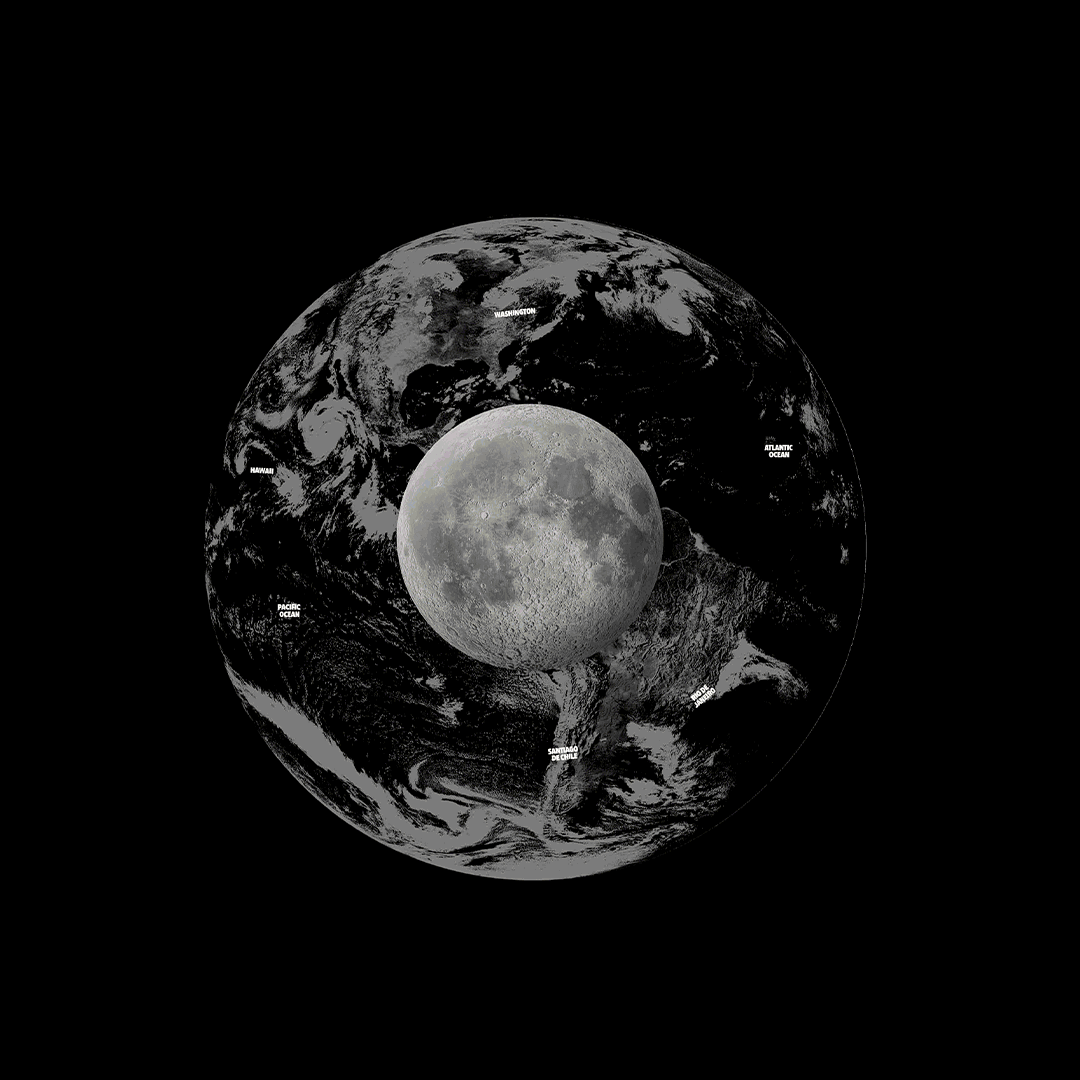
地形図を眺めていたら、肉の断面に見えた。
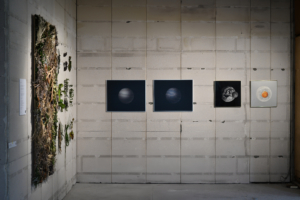
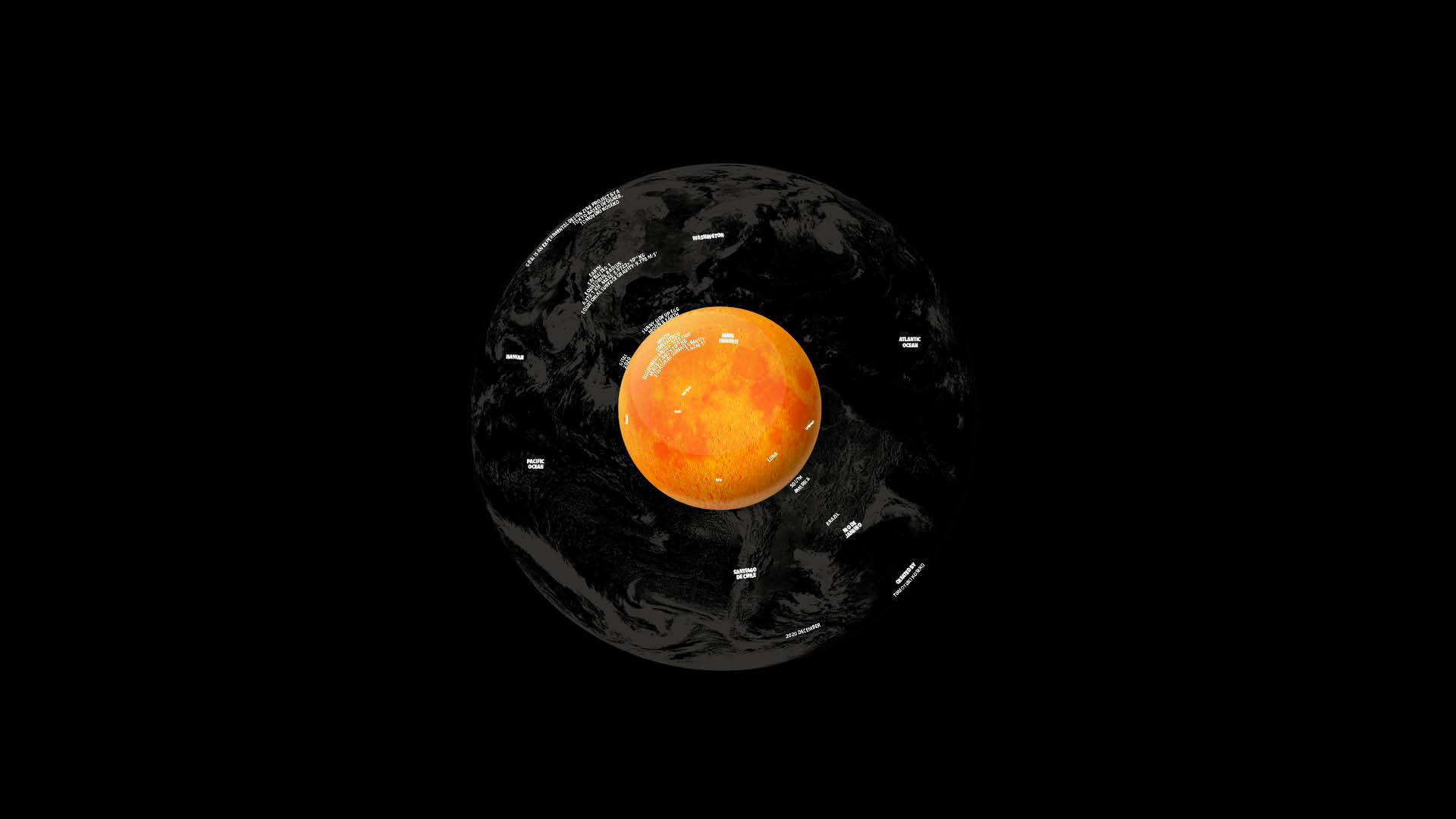
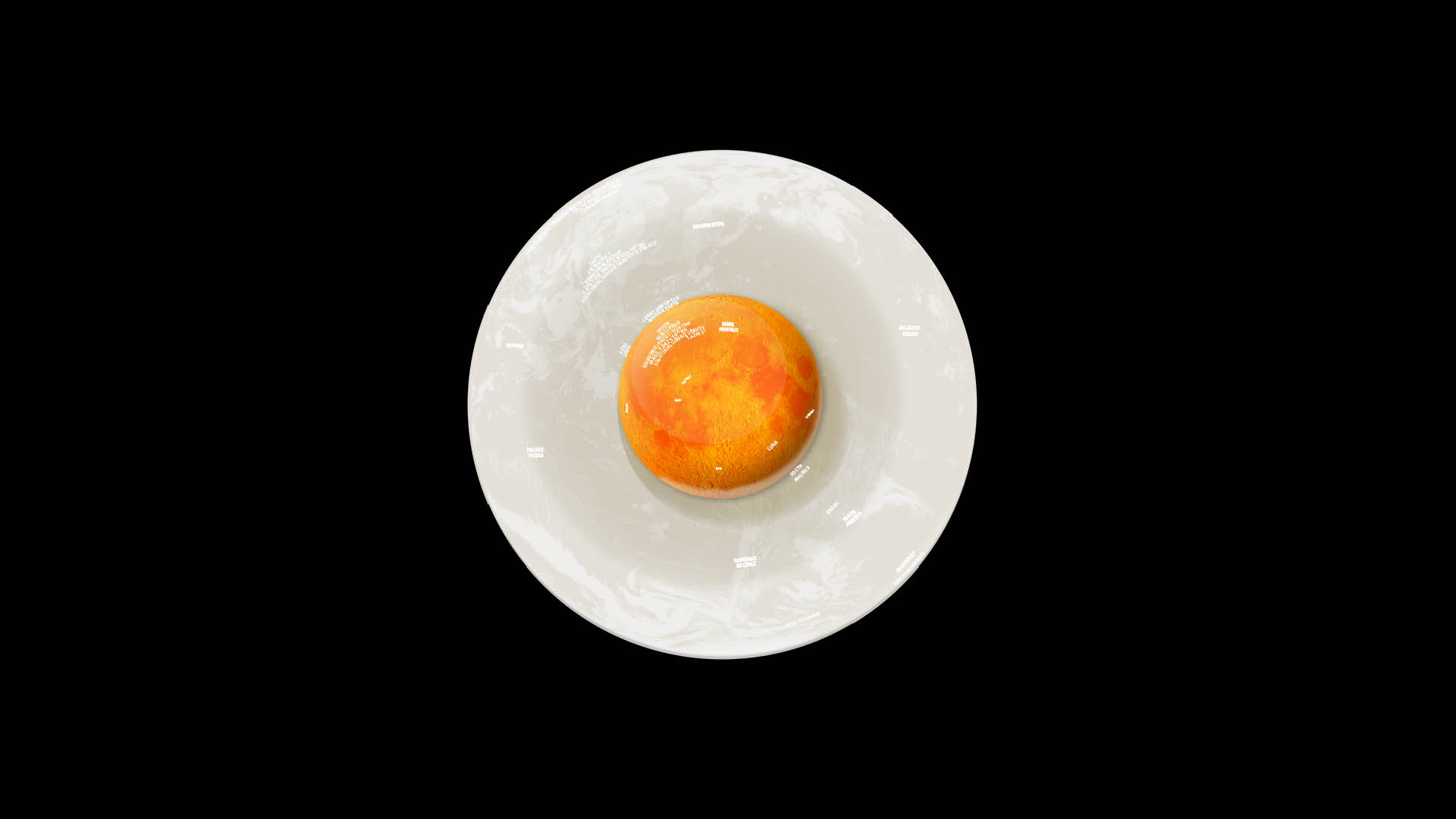
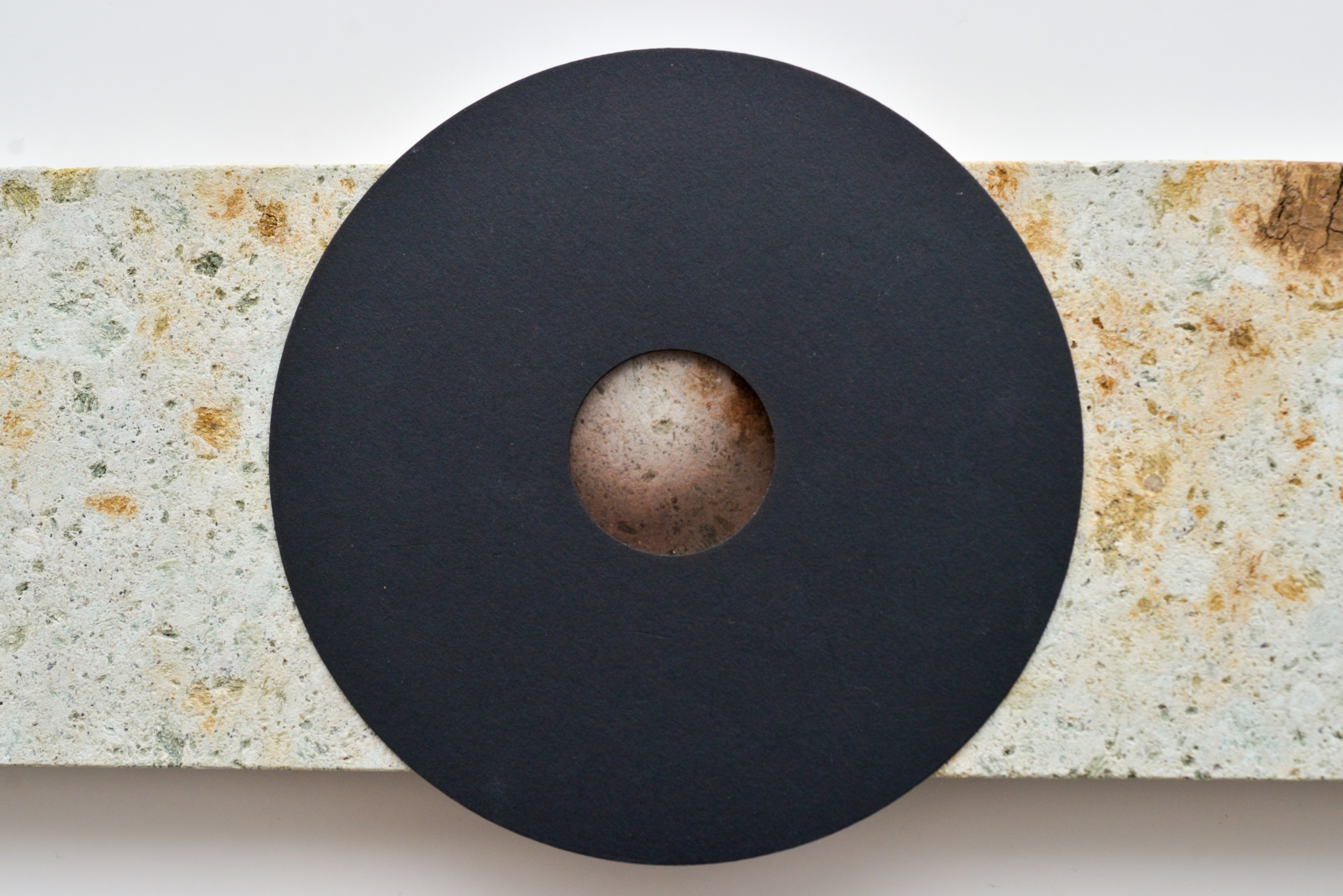
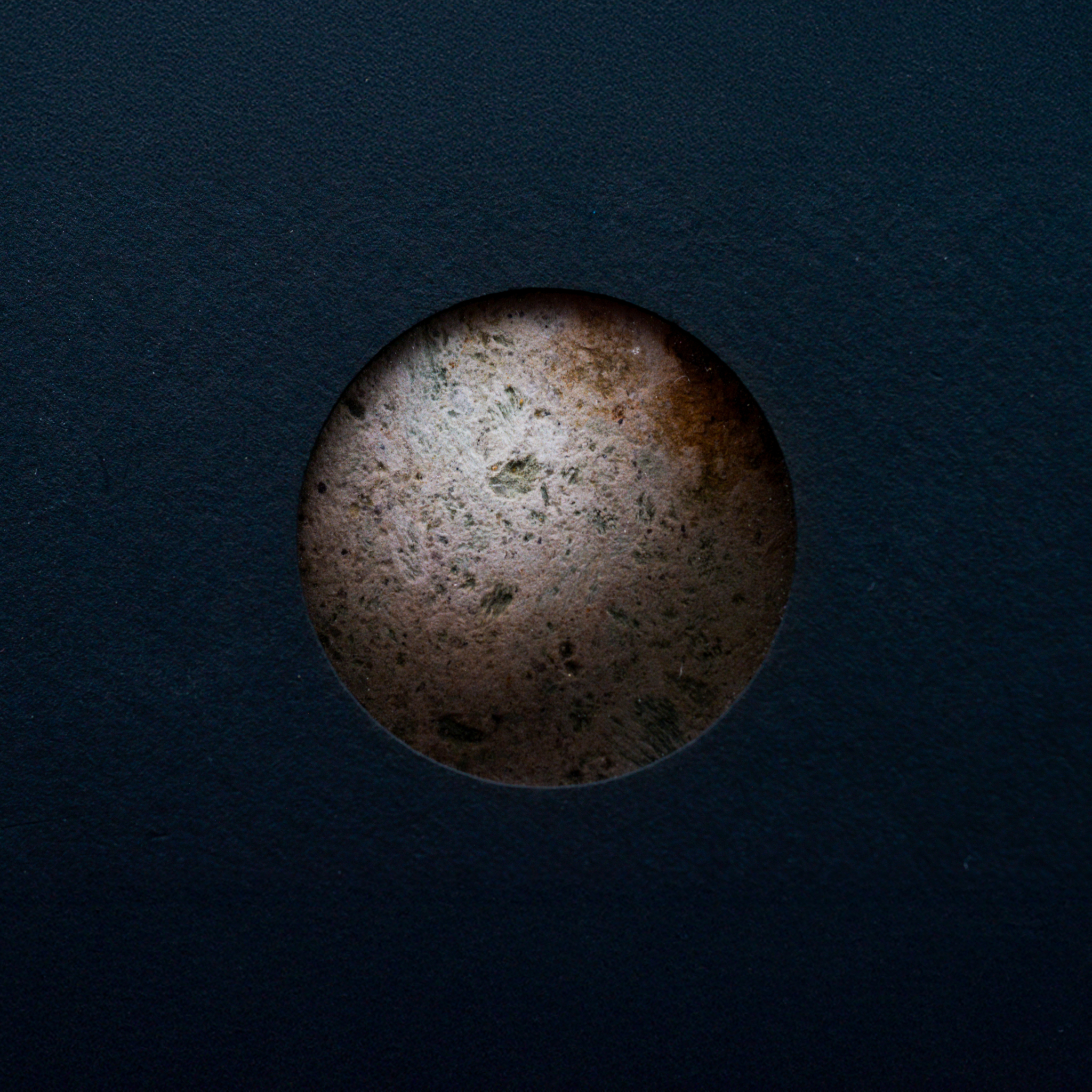
惑星の表面が、朝食の風景と重なった。
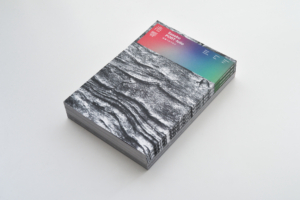
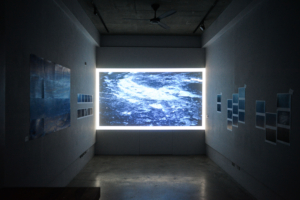
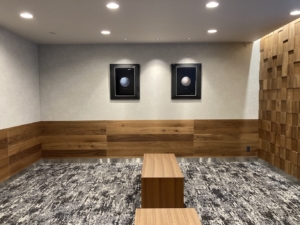
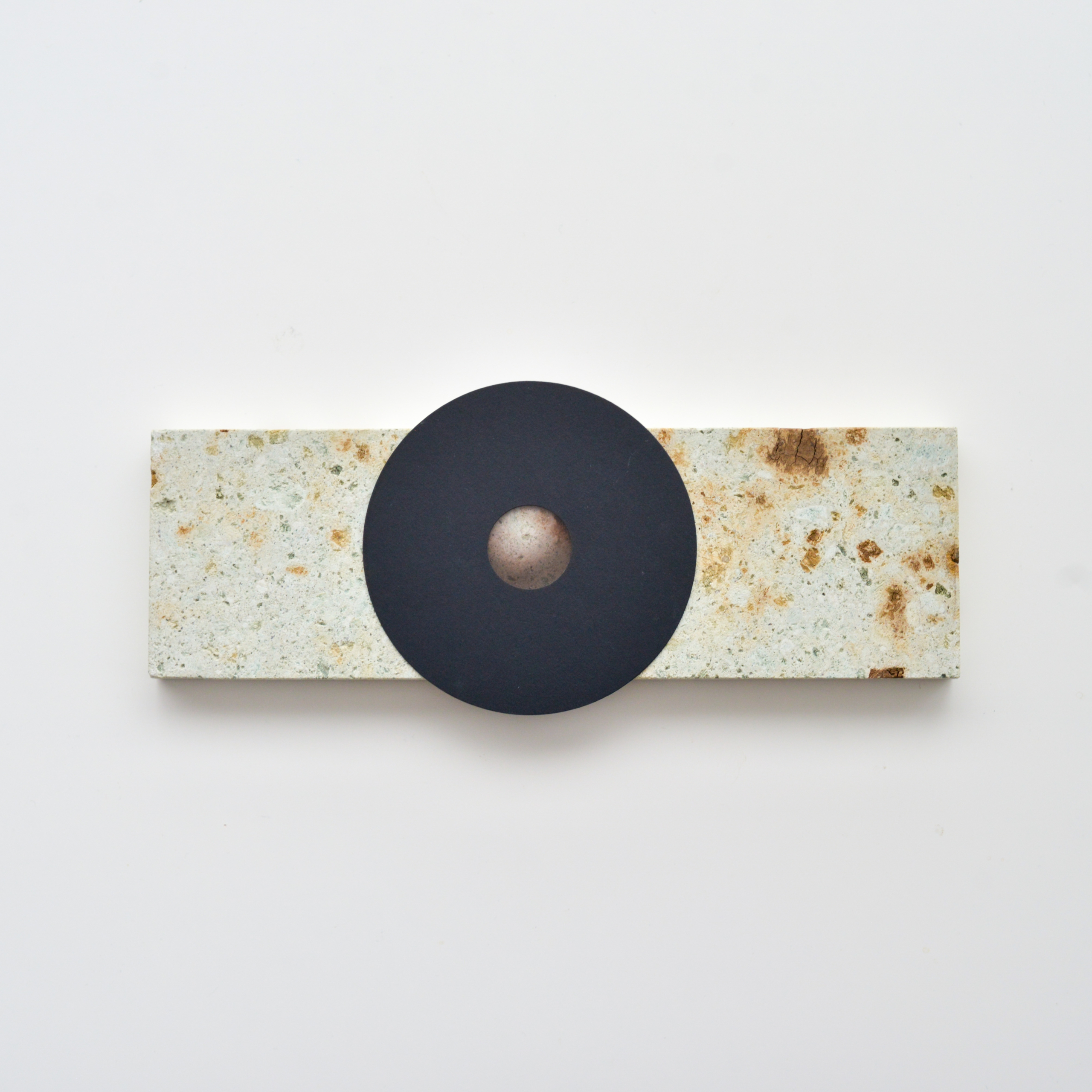
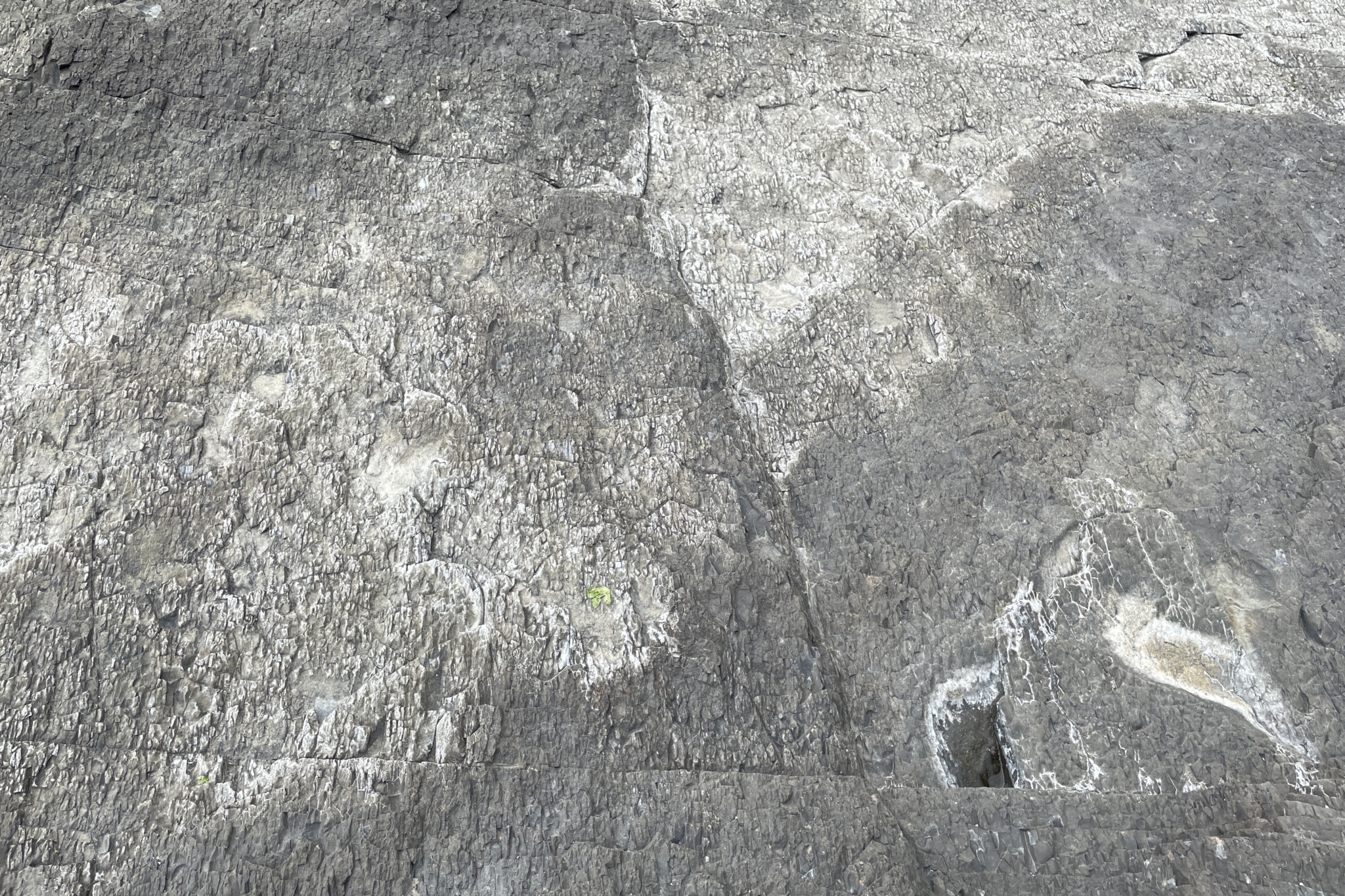
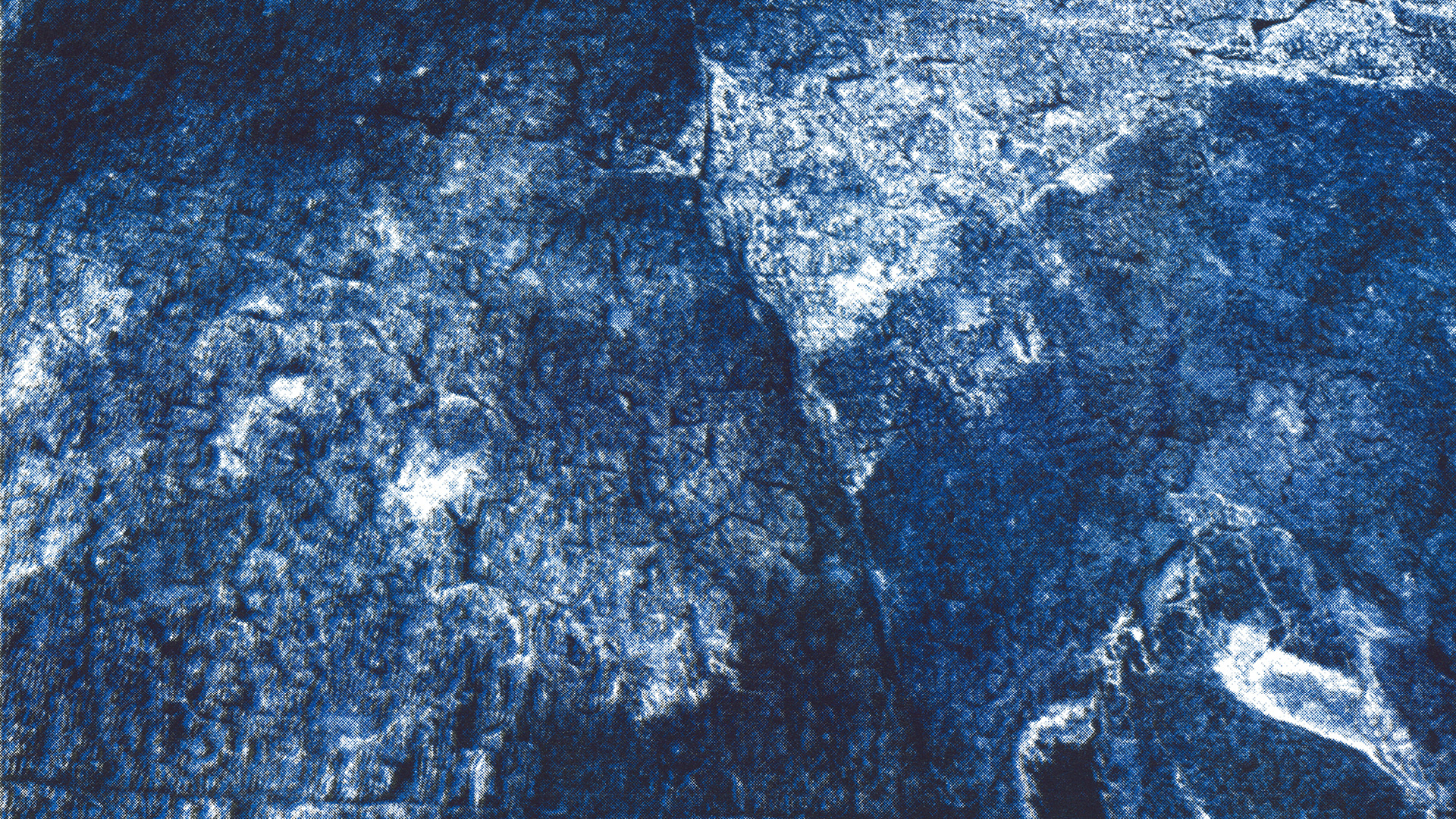
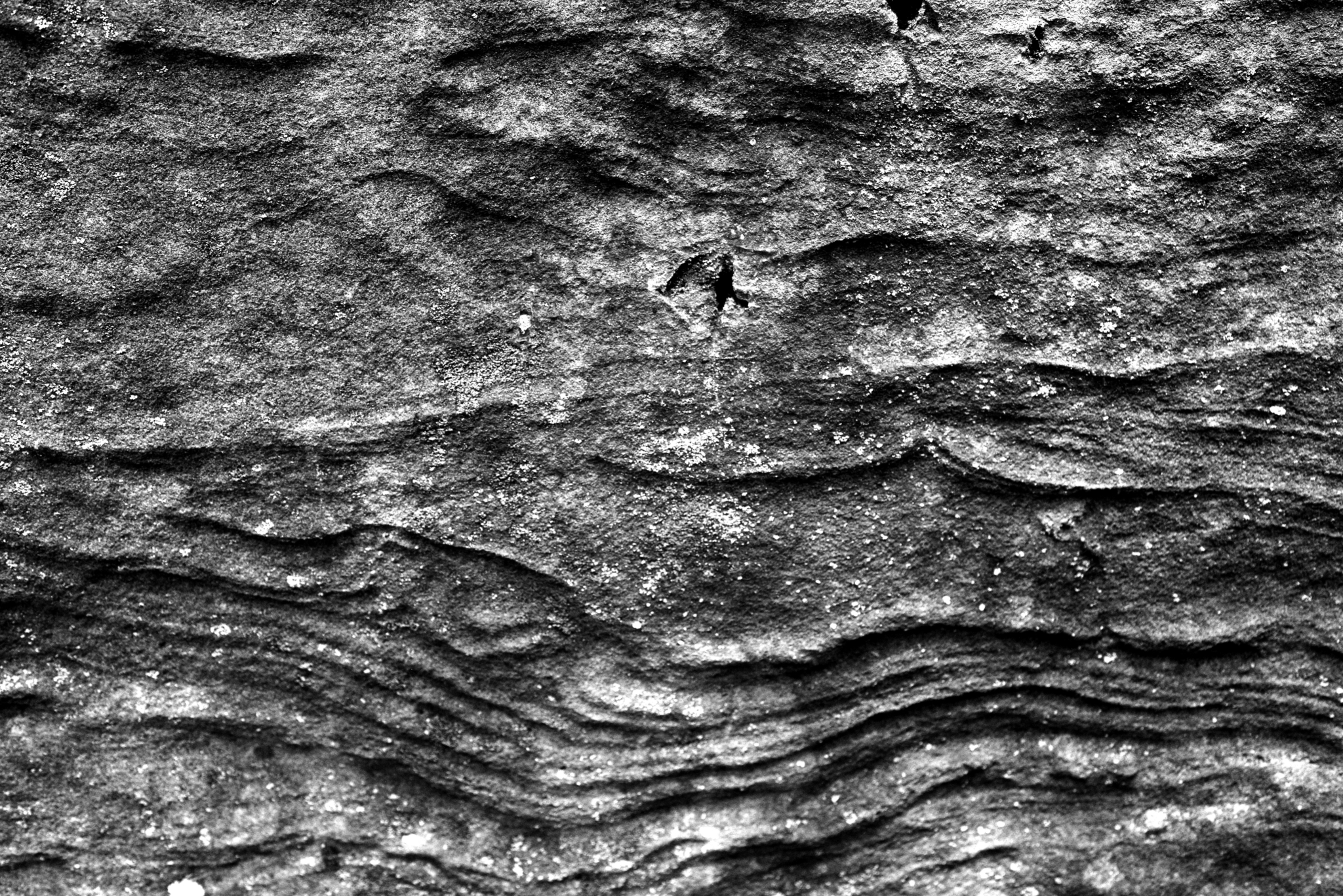
岩肌の写真に色変換を施したら、海が現れた。
地形図に写る大地も、惑星の表面も、岩肌も─時間はその表面に痕跡を刻み続ける。私たちはこの営みを「露触」と呼ぶ。露触は、写真の露光のように、時間が像を記録するプロセスである。
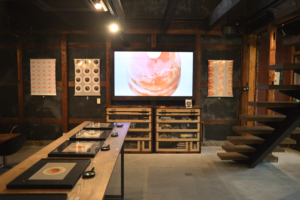
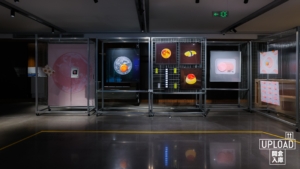
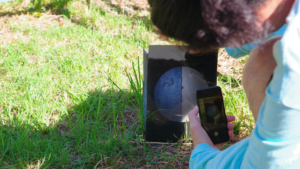
私たちはグラフィックデザインを、もう一つの現像技術として用いる。色変換、印刷操作、観察具などを通して、露触によって記録された像を再現像する。再現像とは、新しいイメージをつくることではない。そこに刻まれていたものが、姿を現す瞬間をつくることである。その転換は技術だけでは生まれない。観察を重ねた先で、ふとそれは現れる。一枚の写真、一つの土地、一つの素材には、まだ見ぬ何かが眠っている。
私たちがデザインしたいのは、グラフィックではない。
世界の見え方そのものである。
A topographic map looked like a cross-section of meat.
A planet’s surface overlapped with a breakfast scene.
Color-converted rock became sea.
Time keeps inscribing its traces onto surfaces. We call this process roshoku — contact as a form of recording. Like light exposing a photograph, roshoku is the process by which time records an image.
We use graphic design as a second developing process. Through color conversion, print operations, and observation tools, we re-develop the image that roshoku has already recorded. To re-develop is not to make a new image. It is to bring forth an image already inscribed there. This shift cannot be produced by technique alone. Only after sustained observation does the image quietly reveal itself. Within a single photograph, a single place, a single material, another way of seeing lies dormant.
What we want to design is not graphics.
It is the way of seeing itself.