Project 410 design
410(視点:perspective) project
視点のデザイン実験室
An experimental lab for designing perception
410 designは、KOSEKO DESIGN&PRESSのリサーチプロジェクトです。Perceptual Design(知覚の再編集)を方法論として、グラフィックリサーチと出版を行っています。 見慣れた素材の中に、まだ誰にも知覚されていないものが潜んでいる——そのような発見を起点に、フィールドワーク・色変換・リソグラフ印刷・観察具の開発を通じて探索と記録を続けています。成果はアートブック・リサーチドキュメント・展示として展開される、進行形のアーカイブです。
410 design is the research project of KOSEKO DESIGN&PRESS, practicing Perceptual Design — the re-editing of human perception — through graphic research and publishing. Something not yet perceived waits inside the most familiar materials. The practice explores and records these discoveries through fieldwork, color conversion, Risograph printing, and the development of observation tools. Outcomes take form as art books, research documents, and exhibitions — a living archive in continuous progress.
リサーチ
Researches
drift-print
存在しない景勝地
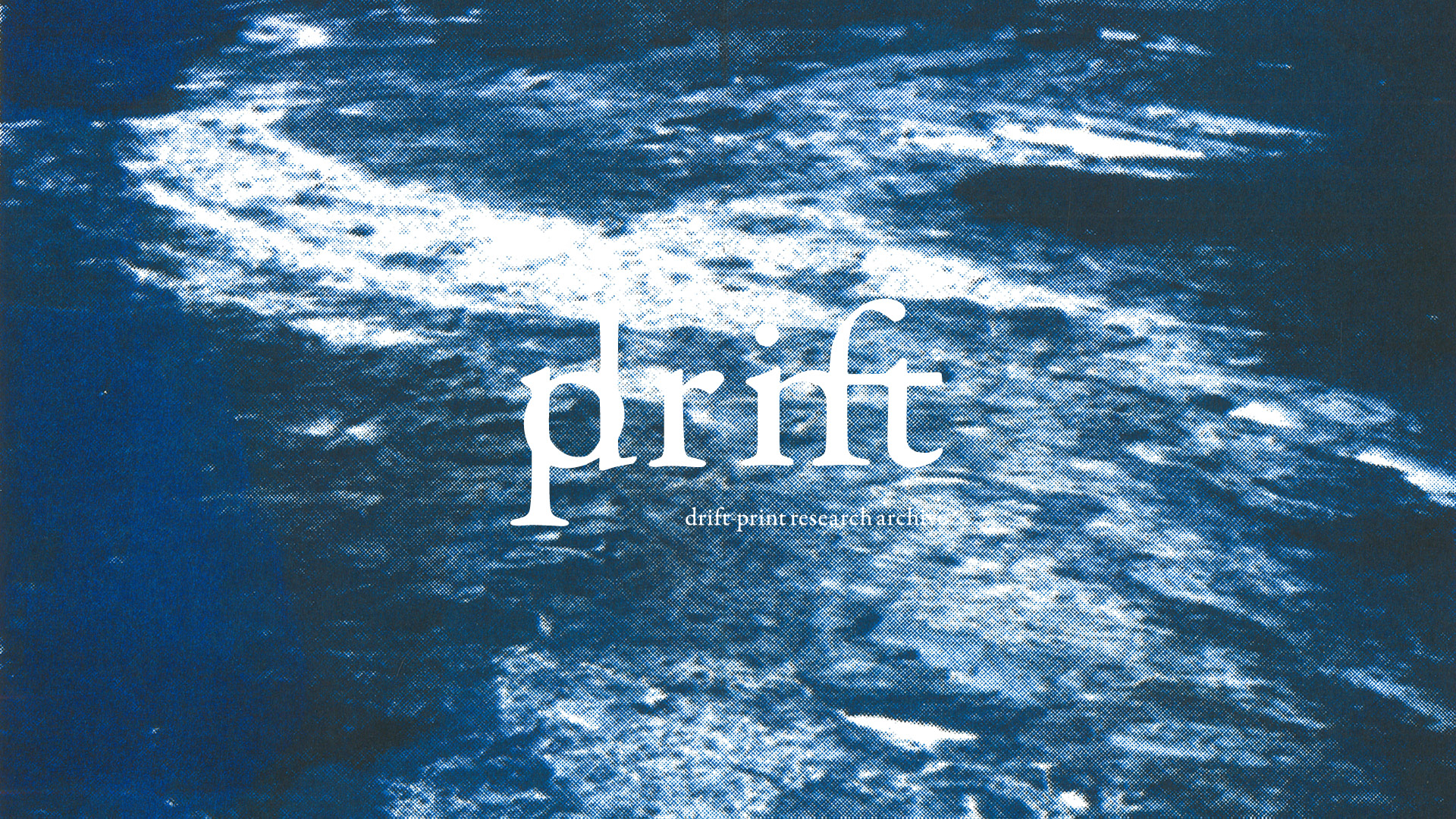
宜蘭海岸の地形から架空の海の風景を現像するプリントリサーチ
A Print-Based Research Visualizing “Nonexistent Landscapes” through Photographs of Sedimentary Rock
マニフェスト
Manifest
地形図を眺めていたら、肉の断面に見えた。
書体の造形が、夕景のシルエットと重なった。
岩肌の写真に色変換を施したら、海が現れた。
これらは錯覚ではない。発見だ。見慣れたものの中に、まだ見たことのないものが潜んでいる。最初の作品を制作していたとき、偶然、九鬼周造の「偶然性の問題」を読んでいた。異なる文脈が交差する瞬間に意味が生まれるという哲学と、地形図を肉に見立てる実践が、同時に動いていた。理論と実践が、偶然に出会った。この偶然性そのものが、私の方法論になった。その中心に、半架空という概念がある。
半架空 Semi-fiction
惑星は実在する。しかし人間が直接知覚することは不可能だ。図鑑の中に、探査機のデータの中に、想像の中にのみ存在する。触れられない。匂いを嗅げない。食べられない。NASAの惑星写真を食物の文脈に変換したとき、天体に味・香り・食感を想像することが可能になった。私はこのような存在を「半架空(semi-fiction)」と定義した。実在するが、人間の知覚には半分しか届かないもの。半架空はフィクションではない。ある種の事実に基づいているが、知覚の限界によってフィクションになりきれない——その宙吊りの状態こそが、半架空の本質だ。半架空が、日常に着地した瞬間だった。
採集と半架空化
フィールドに出て、土地・素材・現象の表面を採集する。美しいものではなく、まだ誰も気づいていない接続点を探す。この採集には再現性があり、体系化できる。採集した素材に操作を加える。色変換、印刷技術、物理的なレンズ。するとある瞬間、素材が半架空化する——実在するものが、まだ誰にも知覚されていなかった別の何かとして現れる。この半架空化は再現できない。科学者が新しい現象を発見するように、それは探しているときではなく、観察を続けた先に偶然現れる。転換は目的ではない。半架空化の痕跡だ。
三つの道具 Semi-fiction
発見を記録し、共有するために、三つの道具を開発した。いずれも半架空化を体験させる装置だ。
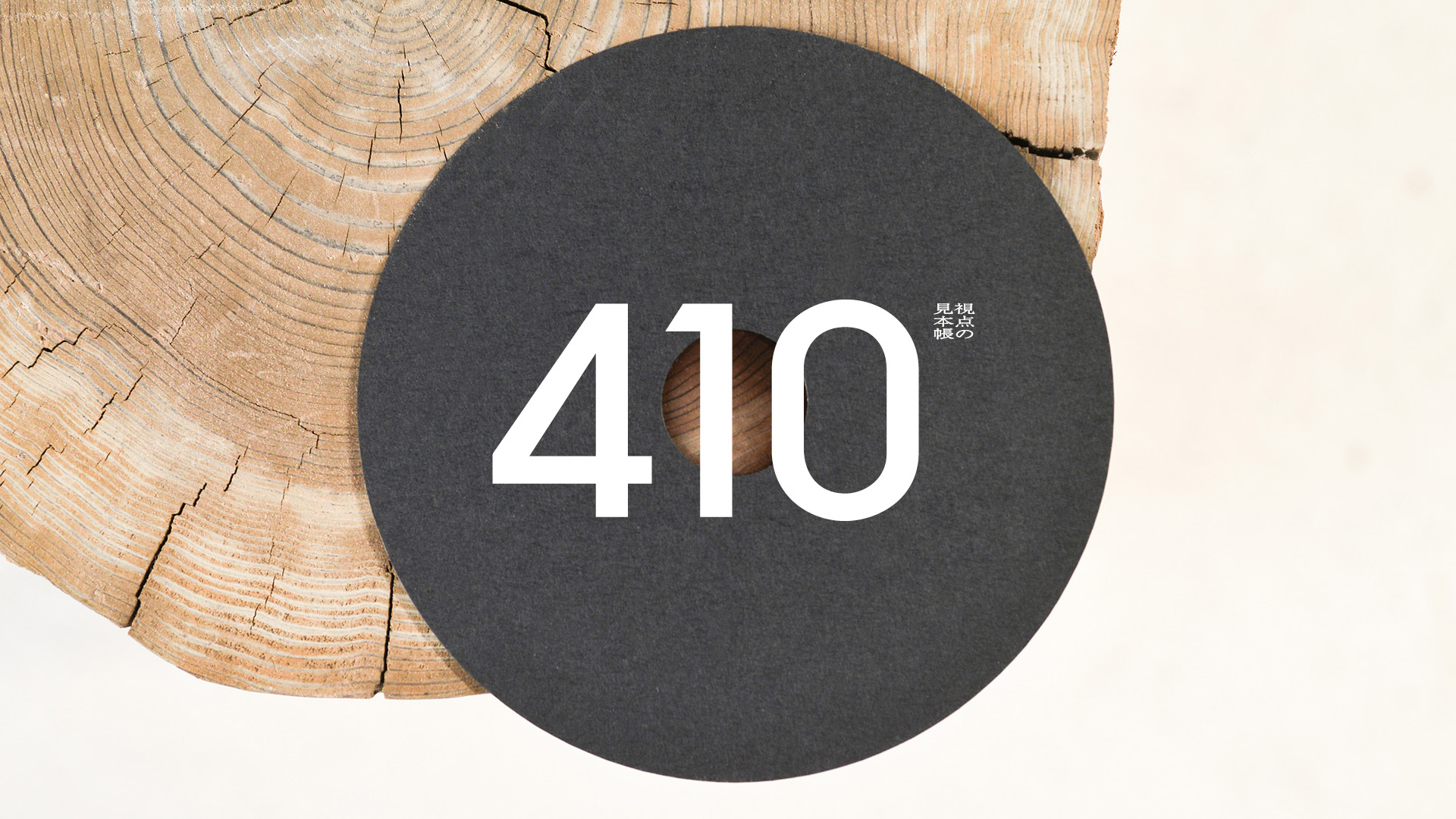
惑星発見器:直径12cmの黒い円盤。中央の穴から覗くと、どんな素材も惑星になる。木に。肌に。コンクリートに。貝に。唯一、半架空化を誰でも・どこでも再現できる装置。
drift-print:台湾・宜蘭の堆積岩を色変換していたとき、たまたま海が現れた。版ズレというエラーが、波になった。同一のプリントは存在しない。偶発性が、そのまま作品になった。半架空化が偶然に現れた瞬間の記録。
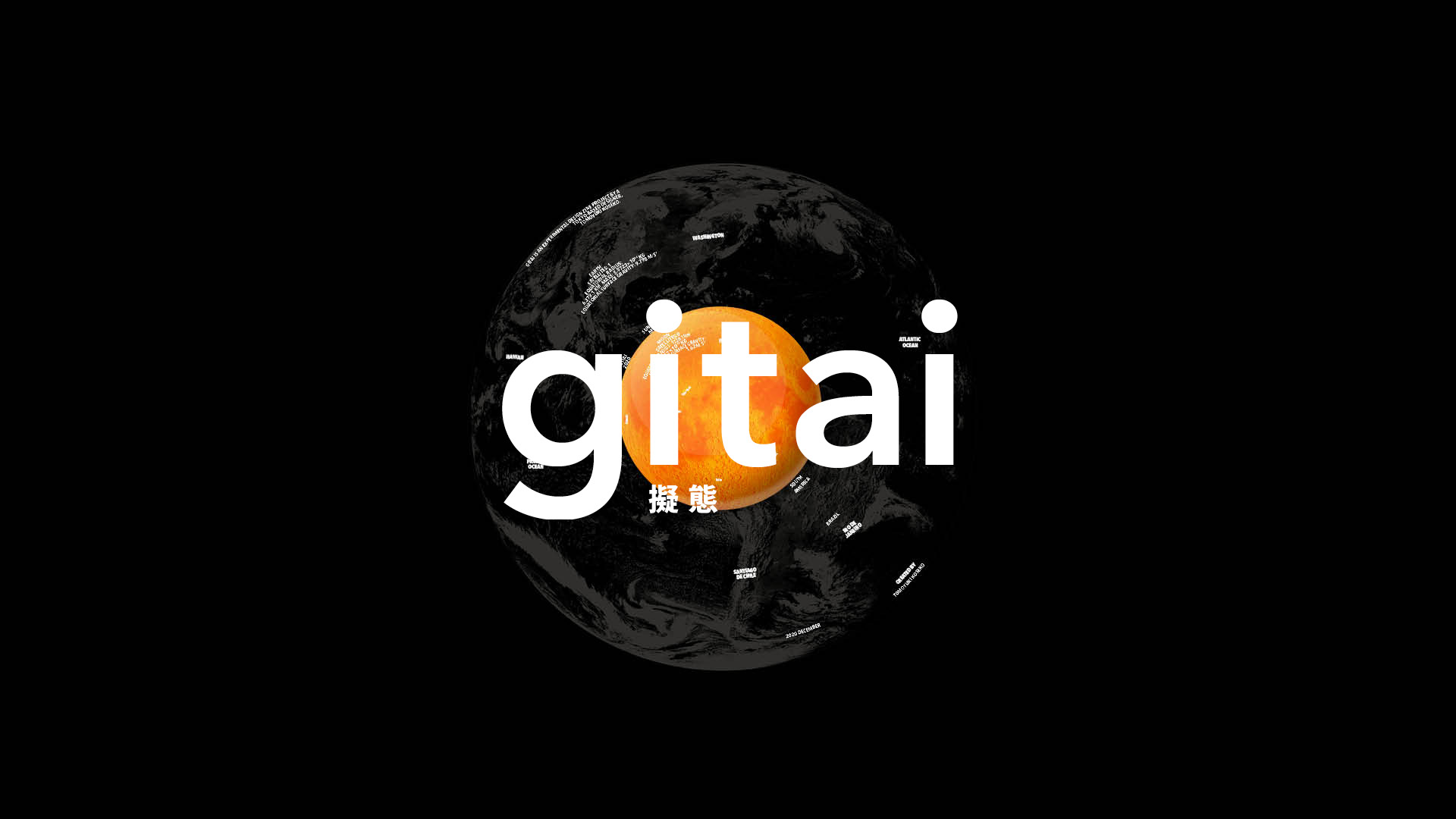
gitai:2016年、地形図が肉に見えた瞬間から始まった。地図=肉、書体=夕景、惑星=卵、地理=海。半架空化の発見を、アートブックとして記録し続けるアーカイブ。#01から#09へ。
限界と問い
道具が揃っても、半架空化は保証されない。発見は製造できない。この限界を私は誠実に受け入れる。予測可能性の欠如こそが、この実践の科学的な誠実さの証左だ。なぜ人間は、見えているものしか見ようとしないのか。
宣言
半架空化とは、資源の新たな知覚法だ。資源は枯渇する。有事に供給はストップする。デザインが資源の消費に加担するのではなく、いかに資源をゴミ化しないか——すでにそこにあるものから、まだ取り出されていない価値を見出す。発見は製造より資源を使わない。これは視覚の問題でもある。テクノロジーが発展するほど、視覚は貧しくなっている。わかりやすいパラメーターに視覚を押し込め、世界をますます「見なく」なっている。資源の均質化と視覚の均質化は、同じ問題の二つの顔だ。私が変えたいのはデバイスではない。物の見方そのものだ。知覚の筋力を鍛え、見えていなかったものを見えるようにする。人類の認識能力を、テクノロジーではなく、観察と発見の実践によって拡張する。それが私の仕事だ。
世界はまだ、見られていない。
この見えていない世界こそが、人類への挑戦状だ。
小瀬古智之 / Tomoyuki Koseko
KOSEKO DESIGN&PRESS
京都・大阪、日本
2026
A topographic map looked like a cross-section of meat.
A letterform caught the silhouette of an evening sky.
Color-converted rock became sea.
None of these are illusions. They are discoveries — and the difference matters.The familiar always conceals something not yet seen. I have made it my life’s work to find it.
Semi-fiction
I call it semi-fiction: something that exists, but reaches human perception only halfway. A planet is real — yet no one can touch, smell, or taste it. It exists fully, but remains half-absent from direct experience. Semi-fiction is not invented. It is found at the boundary where fact cannot fully become experience — real, but not yet perceivable. That suspended state is where my work begins. When I converted NASA planetary photographs into the context of food, the flavor and texture of celestial bodies became imaginable. A gap between existence and perception had opened into something workable. Semi-fiction had touched down in everyday life.
Collection and Semi-fictionalization
I go into the field and collect surfaces: land, material, phenomenon. Not beauty. Points where unrelated contexts cross — quietly, invisibly — and wait to be noticed. Then I apply operations — color conversion, print techniques, physical optics. At a certain moment, the material undergoes semi-fictionalization: something real appears as something else that has never been perceived before. This cannot be manufactured. Like a scientist encountering a new phenomenon, it arrives not while searching, but on the far side of sustained observation. When I first encountered Kuki Shuzo’s The Problem of Contingency— a philosophy in which meaning emerges at the crossing of unrelated contexts — I was already building work on exactly that structure. Theory and practice had met by accident. That accident became the method. Transformation is not the goal. It is the trace that semi-fictionalization leaves behind.
Three Tools
To make semi-fictionalization shareable, I have built three instruments.
Planet Lens — A black disc, 12 cm across. Look through the aperture, and any surface becomes a planet: wood, skin, concrete, shell. The only tool that allows anyone, anywhere, to reproduce the perceptual shift.
drift-print — While converting the color of sedimentary rock on the coast of Yilan, Taiwan, a seascape appeared. A printing misregistration became a wave. No two prints are the same. Contingency became the work. A record of semi-fictionalization arriving uninvited.
gitai — It began in 2016, when a topographic map became meat. An ongoing archive of semi-fictional discoveries, published as art books. From #01 to #09.
Limits
Even with the method and the tools, semi-fictionalization cannot be guaranteed. Discovery cannot be manufactured. I accept this honestly. The absence of predictability is not a failure of the practice — it is its scientific integrity. The real question is this: why do humans insist on seeing only what they already expect to see?
Declaration
That question is not only perceptual. It is material. Resources are finite. In crisis, supply stops. Design has long participated in their consumption. But discovery uses fewer resources than manufacturing. Semi-fictionalization is a new perceptual method for resources — a way of finding value not yet extracted from what already exists. And as technology advances, perception narrows. We compress the world into legible parameters and see progressively less of it. The homogenization of resources and the homogenization of vision are the same problem, seen from two directions. What I want to change is not the device. It is the way of seeing itself.
To train the muscles of perception. To make visible what has gone unseen. To expand human capacity for recognition — not through technology, but through observation and discovery. That is my work.
The world has not yet been seen.
This unseen world is a challenge — addressed to all of us.
Tomoyuki Koseko
KOSEKO DESIGN&PRESS
Kyoto / Osaka, Japan
プロジェクト
Projects
-
-
-
-
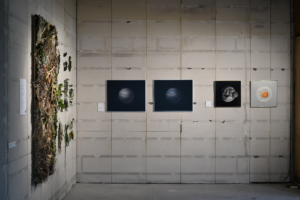
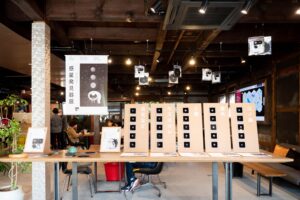
大阪|Material Planets, Gitai Collectionなどアートピースを展示し、素材の視点をデザインするグループ展
Group Exhibition: DIALOGUE
-
-
-
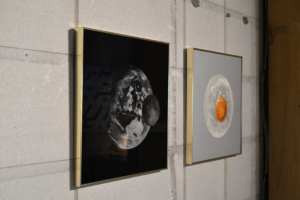
This is a new work created for the solo exhibition “Delicious Planet Mus…
Gitai Collection: Moon&Earth
-
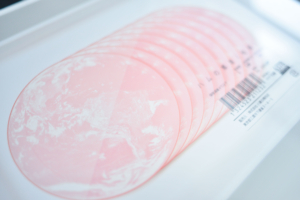
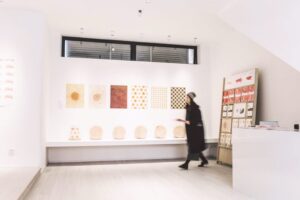
A photo-graphics collection for our exhibition “KG+ Semi-Fiction”.
Semi-Fiction Collection
-
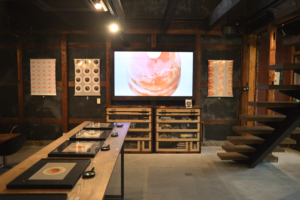
-
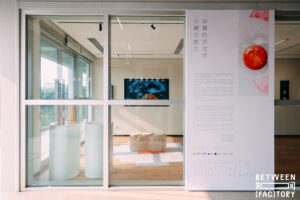
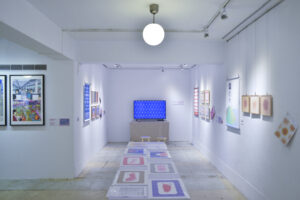
Held a solo exhibition “Astronomy of Breakfast” at Shenzhen …
Solo Exhibition: Astronomy in Breakfast
-
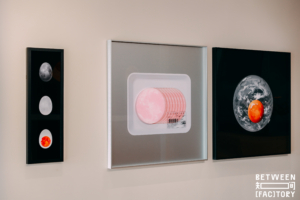
Oct. 2022 Materials: Paper, Acrylic, Aluminum Print: UV Printing Collect…
Astronomy of Breakfast Collection
-
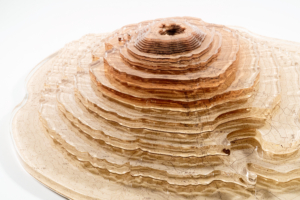
A large-scale artwork that colorizes a topographic map of Mount Fuji, ma…
Gitai Collection Mt.Fuji
-
-
-
-