Design Research: KOSEKO DESIGN&PRESS
Residency support: Hyperwave
Research archive →
https://kosekolabo.notion.site/drift-print-research-2f60d4c749e4803c8e1ad4366840594f
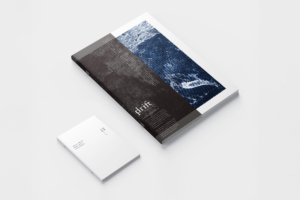
The sedimentary rocks of Yilan, Taiwan, were once part of the seabed. Over long periods of time, waves eroded their surfaces, leaving traces of the sea embedded in the rock. What if these rocks are already negatives of the sea? drift-print is a project that re-develops these negatives through Risograph printing. Photographs of rock surfaces collected along the coast are converted to grayscale, separated into blue and black layers, and printed with a Risograph. Through this process, latent images of the sea begin to emerge from the rocks. Misregistration and moiré—normally regarded as printing errors—are intentionally incorporated into the process, drawing wave-like movement and depth from the otherwise static surfaces of the stone.
宜蘭(台湾)の堆積岩は、かつて海底にあった。波による長年の侵食が、岩の表面に海の記憶を刻んでいる──岩はすでに、海のネガなのではないか。drift-printは、このネガをリソグラフ印刷によって再現像するプロジェクトです。海岸で採集した岩肌の写真をグレースケールに変換し、青と黒に分版してリソグラフで刷ると、岩に刻まれていた海の潜像が立ち上がります。さらに、通常は印刷上の誤差とされる版ズレやモアレをあえて取り込み、静止した岩の表面から波のような動きと奥行きを引き出します。
リソグラフ印刷によって、宜蘭の地質写真から海の風景を抽出する
Features of the drift-print Project


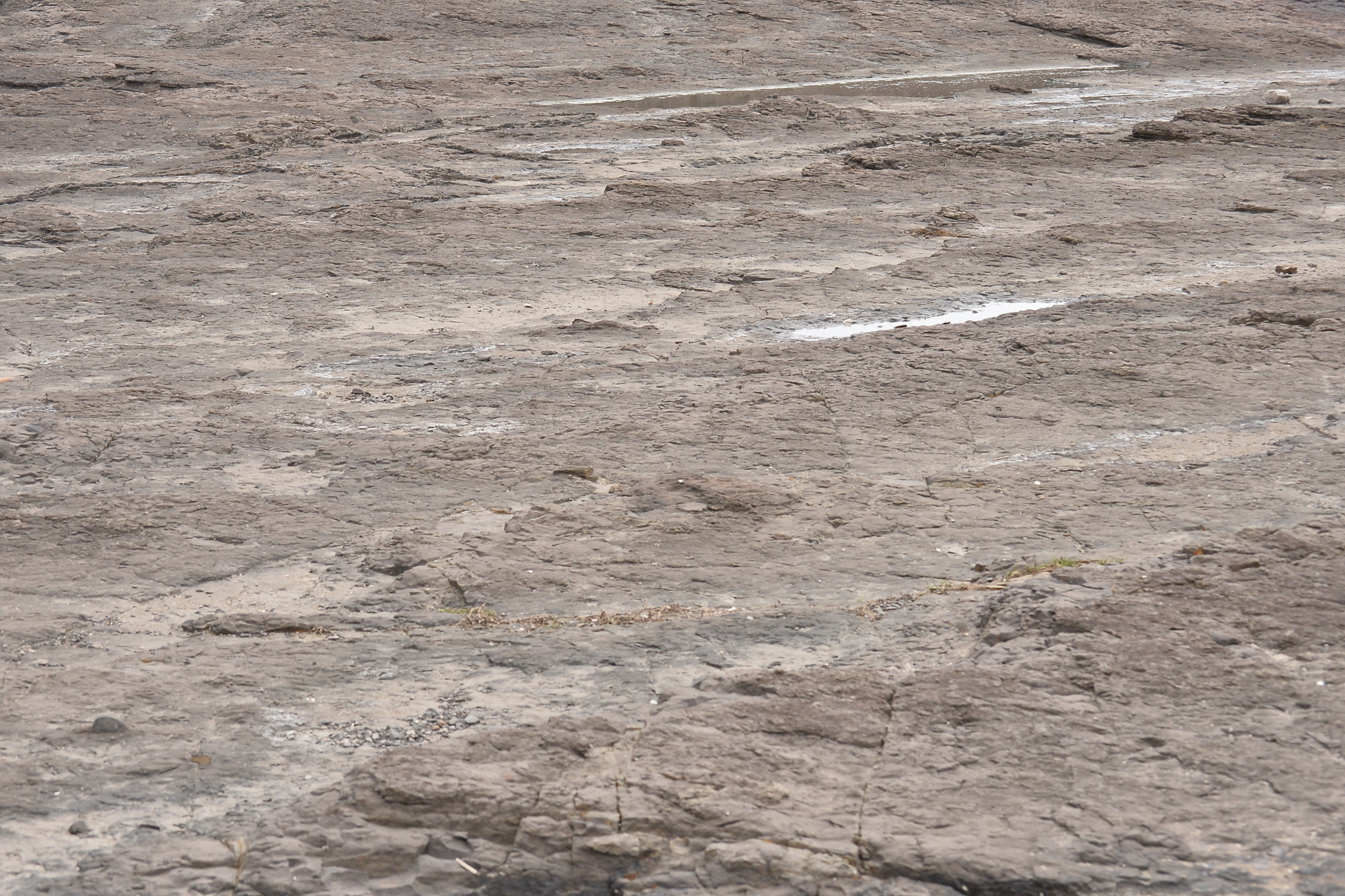
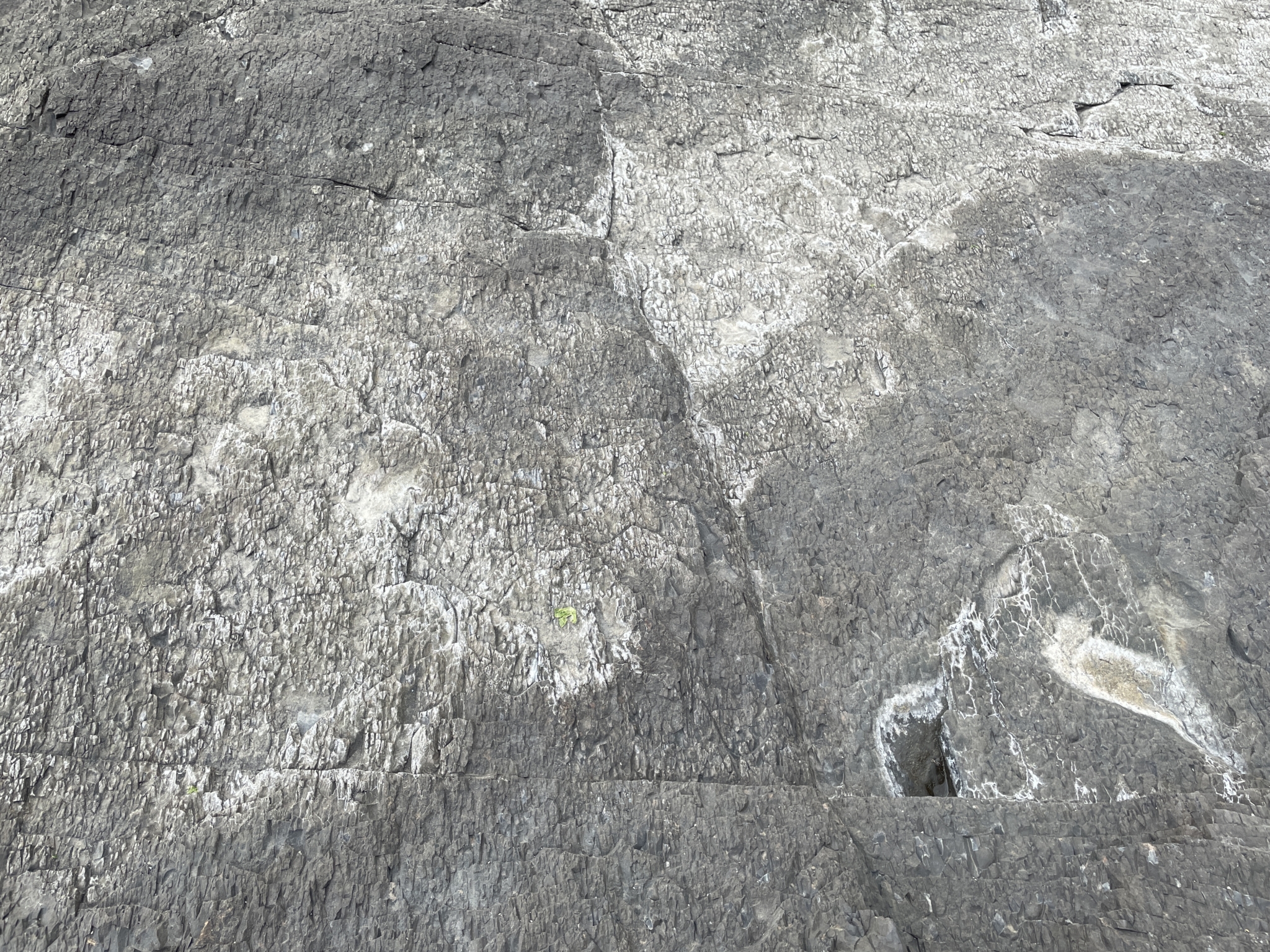
Fieldwork
宜蘭でのフィールドワーク
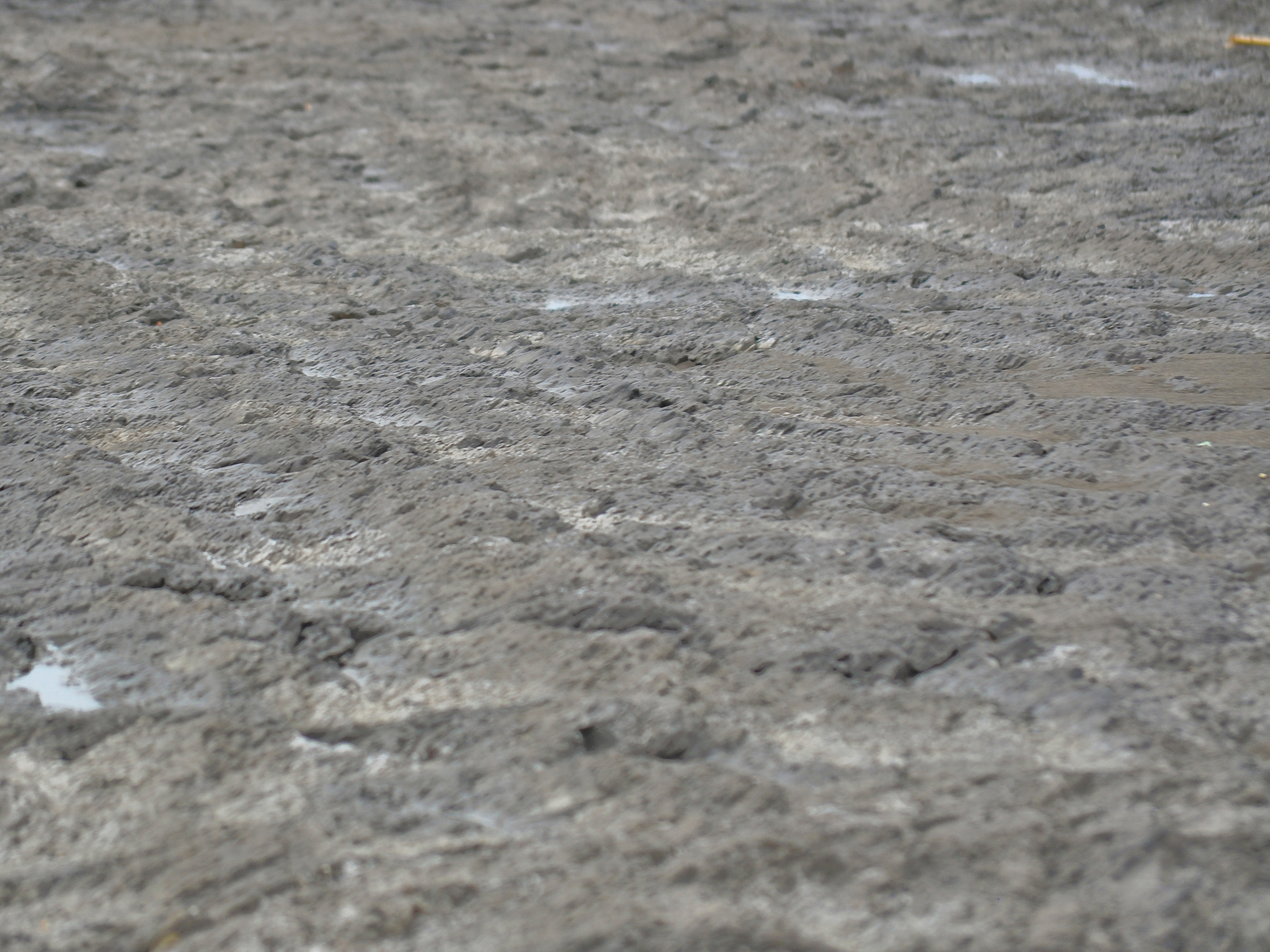
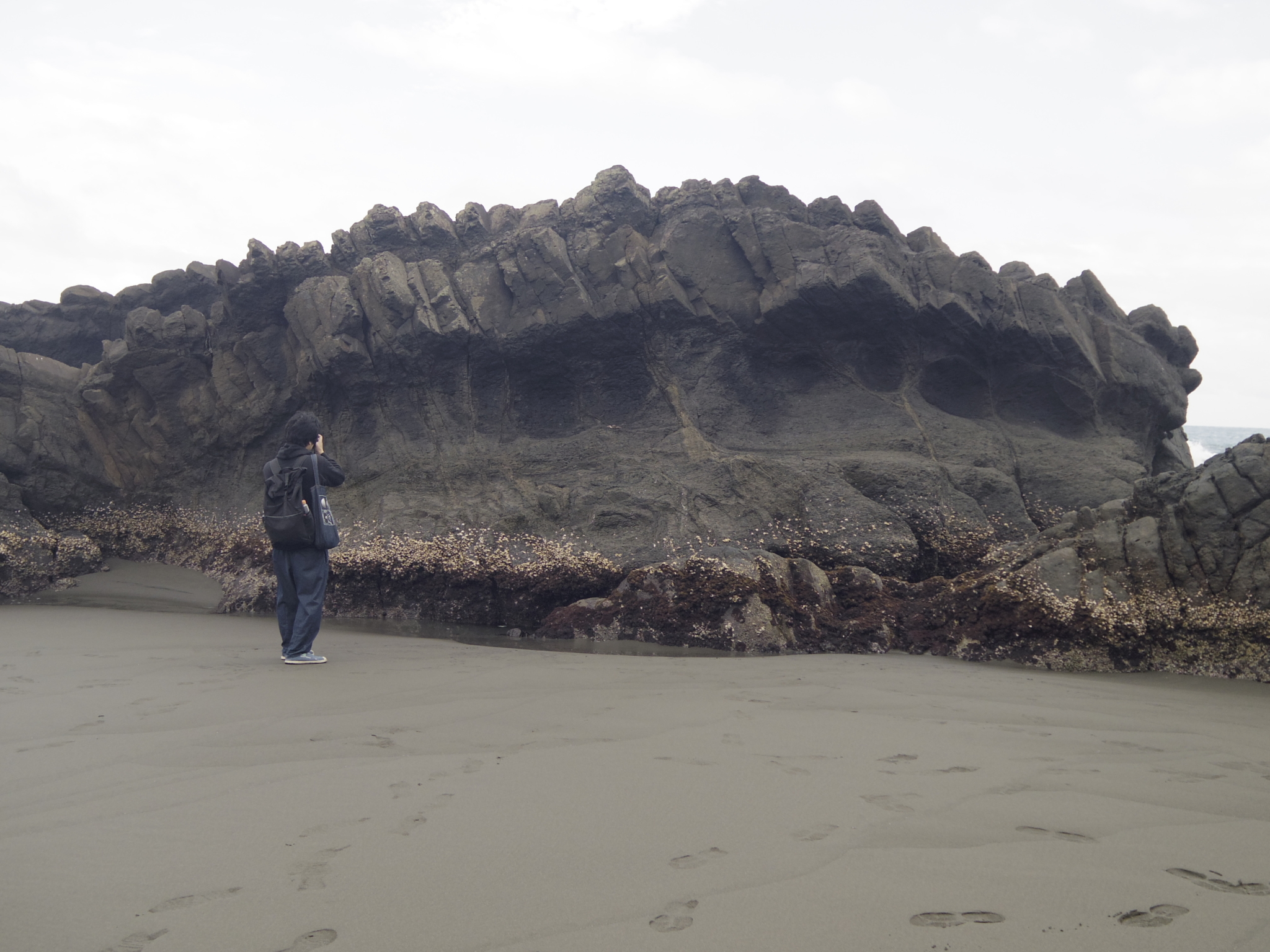
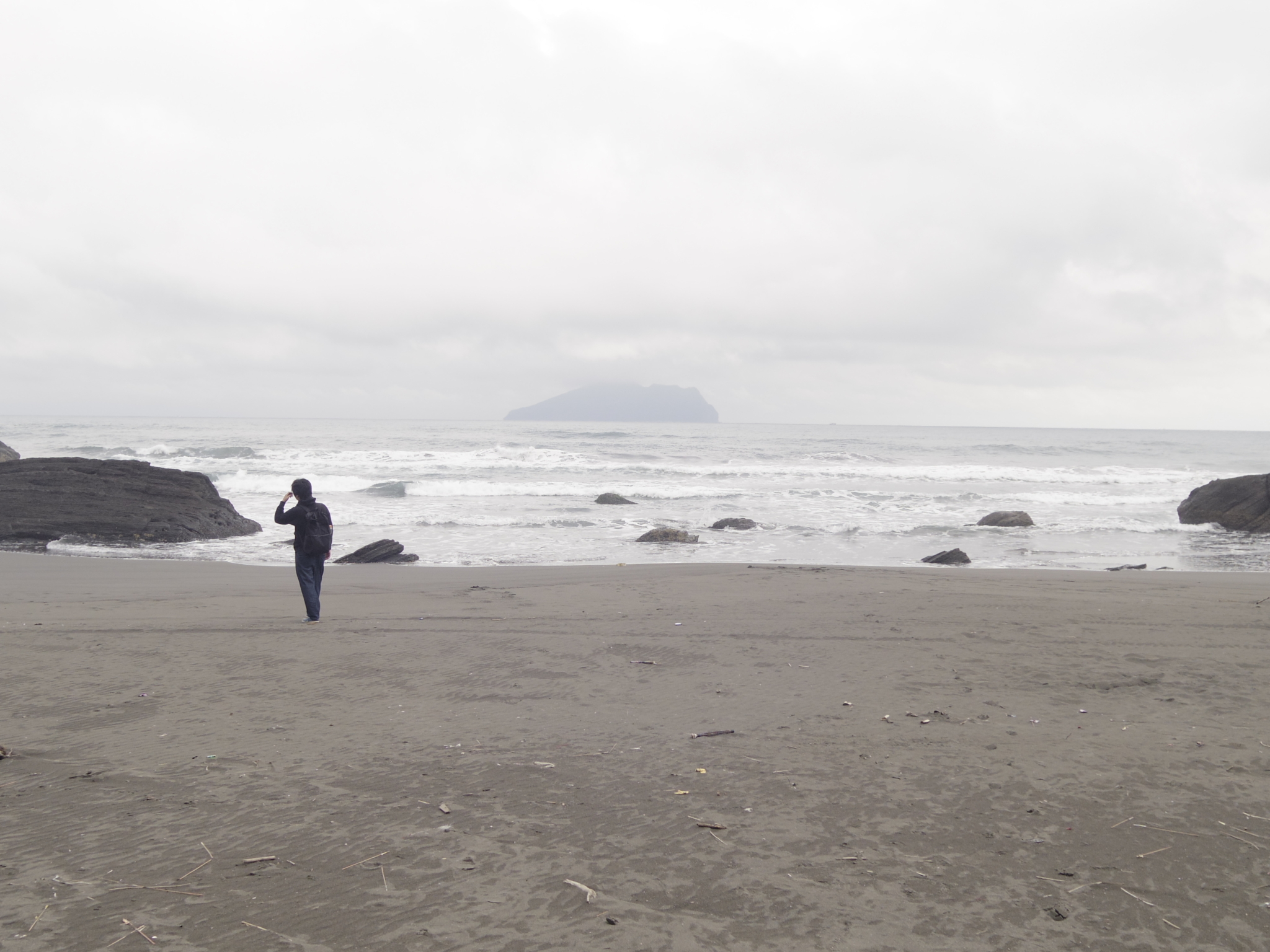
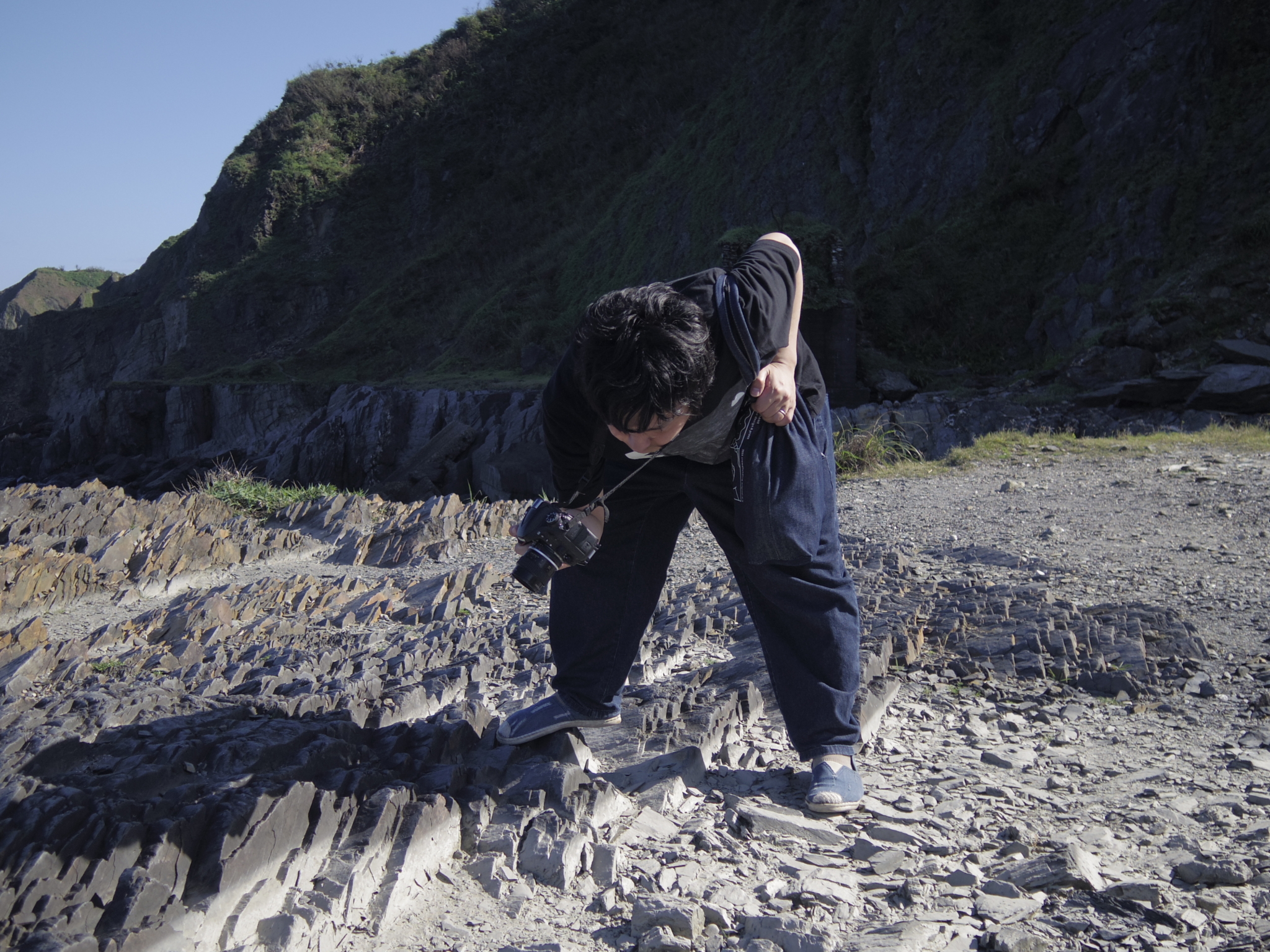
Printing Prototypes
プリントのプロトタイプ


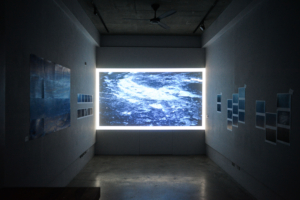
Research exhibition at AIR Surfy Space(宜蘭)
Project Overview
drift-print began with fieldwork along the coast of Yilan, Taiwan. The project photographs and collects the surfaces of exposed sedimentary rocks, then attempts to bring the sea once embedded within them back into view as an image.
The sedimentary rocks of Yilan were formed on the seabed and later uplifted through tectonic movement. Once exposed above water, their surfaces continued to be eroded by waves, accumulating intricate patterns over time. I call this process Roha (露波)—a term inspired by photographic exposure, describing how waves inscribe images onto rock over time. Just as light exposes photographic film, waves can be understood as exposing the surface of stone. In this sense, the rocks function as negatives of the sea, recording both their origin on the seabed and the time subsequently inscribed upon them by moving water.
The photographs of these rock surfaces are separated into blue and black layers and printed in two colors using a Risograph. Misregistration and moiré—normally treated as printing errors—are left uncorrected and instead used as active elements in the generation of the image. Because the alignment of the layers shifts slightly with each print, wave-like movement and depth emerge from the static surface of the rock. Even when printed from the same source image, no two impressions are exactly alike.
In drift-print, printing is not a means of reproducing an image. It becomes a process of development: a way of reading images already recorded in the rock and bringing them into view through a different mode of perception. Rather than depicting the sea itself, the project uses graphic and printing processes to make visible a sea that has remained latent within geology and time.
drift-printは、台湾・宜蘭の海岸でのフィールドワークから始まった。海岸に露出する堆積岩の表面を撮影・採集し、そこに刻まれた痕跡から、かつて存在した海を再び像として立ち上げる試みである。
宜蘭の堆積岩は海底で形成され、のちに地殻変動によって隆起した。地上に現れた岩は、その後も波に削られ続け、表面に複雑な紋様を蓄積している。私はこの、波が時間をかけて岩に像を刻む現象を「露波」と呼んでいる。写真の露光を参照した造語で、光がフィルムを感光させるように、波が岩の表面を感光させると捉える。岩は、かつて海底だったという出自と、その後に波によって刻まれた時間の両方を記録した、海のネガである。
採集した岩肌の写真は青と黒に分版し、リソグラフで二色刷りする。その際、通常は印刷上の誤差とされる版ズレやモアレを修正せず、むしろ像を生成するための操作として利用する。版の位置は刷るたびにわずかに変化し、静止した岩の表面から波のような動きや奥行きが立ち上がる。同じ画像を用いても、まったく同じプリントは二つとして生まれない。
drift-printにおいて、印刷はイメージを複製するための手段ではない。岩にすでに記録されていた像を読み取り、別の知覚として立ち上げるための「現像」のプロセスである。海そのものを描くのではなく、地質と時間の中に潜んでいた海を、グラフィックと印刷の操作によって再び見える状態へと変換している。